
One of the most common questions I get from clients considering microneedling is not about the treatment itself, but about what happens after. Knowing the recovery process ahead of time lets you plan your week and takes a lot of the edge off. You leave your appointment understanding what your skin is likely to do as it starts its repair work. The treatment is only half of the story; the week that follows matters too, and with some patience and basic care, you can support what we started in the treatment room.
Let me walk you through what I usually see in the week after a microneedling session. Think of this as me talking you through each day while you stand at your bathroom mirror. Everyone heals on their own schedule, so your experience might not match this exactly, but this pattern is very common in my practice.
The First 24 Hours: Red and Ready
Right after the treatment, your skin will be red. How red depends on your skin and how intense the session was, but most people look like they have a medium sunburn. Your skin may feel warm and tight, and a bit tender when you touch it. This is the normal inflammatory phase. It is your body starting the healing process.
Your job on this first day is simple: be gentle. I send my clients home with a specific post procedure serum or gel. Use only what your provider gives or clearly approves. This is not the day to experiment with your usual active products like retinoids or vitamin C. Skip makeup for at least 24 hours so the skin can breathe and settle. Cleanse with a very mild cleanser and lukewarm water, then pat dry with a clean towel. No scrubbing, no rubbing.
Days 2 to 3: The Sandpaper Stage
Around day two, the bright redness usually shifts to a softer pink. Your skin will likely feel dry and tight. Many clients tell me it feels like very fine sandpaper under their fingers. I secretly love hearing that, because it means the old, dull surface layer is getting ready to shed while new cells are forming underneath. You may notice light flaking around areas that move a lot, like the mouth and nose.
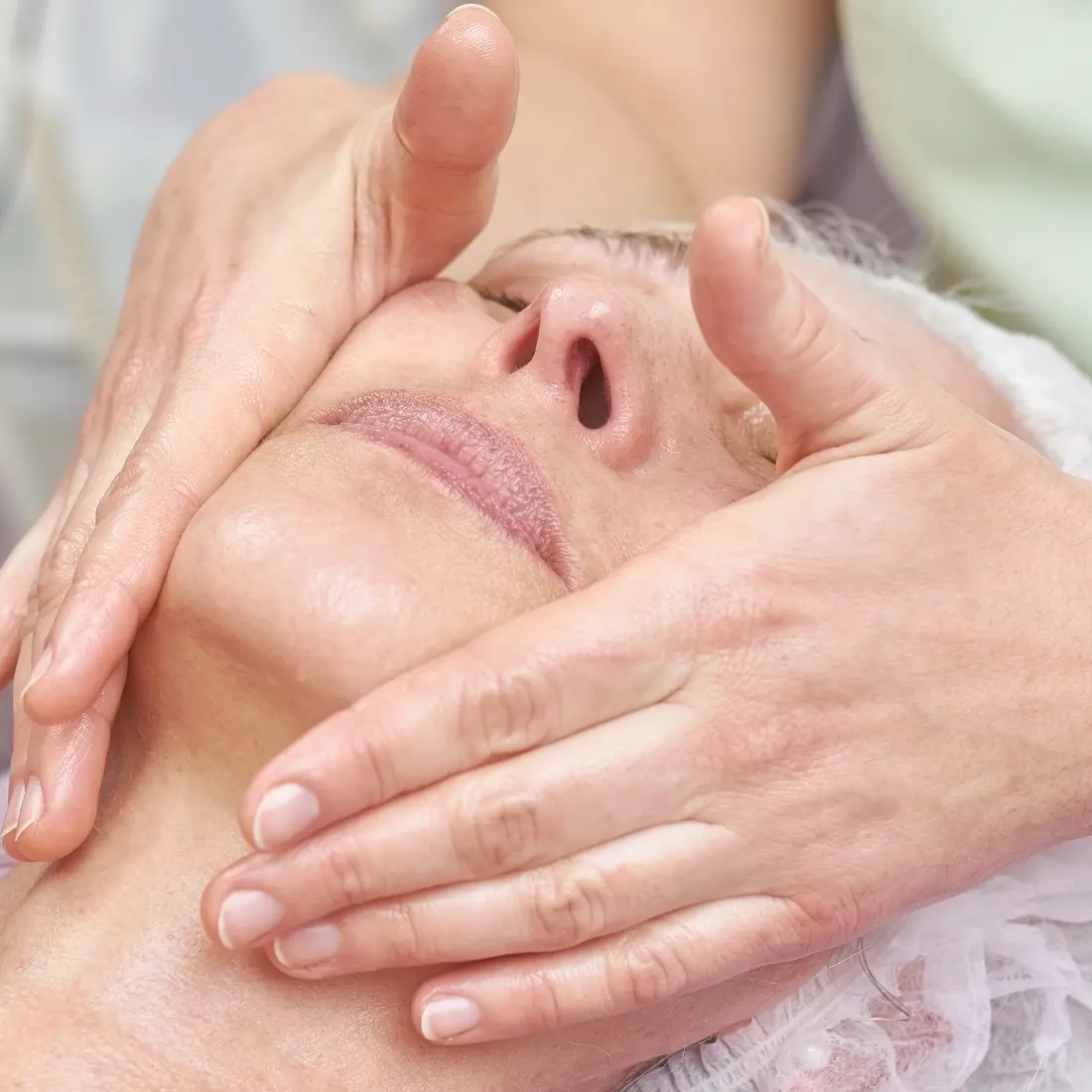
The theme of gentle care continues. Keep your routine simple: a mild cleanser, a hydrating serum with ingredients like hyaluronic acid, and a plain, non irritating moisturizer. No exfoliation of any type yet, whether it is a scrub, a brush, or an acid. You are just supporting the skin while it does its own work. Keep using sunscreen every morning. Your skin is extra reactive to the sun right now, and this is when sun protection really matters for your results.
Days 4 to 7: Finding the Glow
This is usually when the nice part starts to show. The dryness and flaking begin to calm down, and you start to see smoother, fresher looking skin underneath. That sandpaper feel softens, and your tone may look a bit more even. Some people look and feel "back to normal" by day four or five. Others still have a little lingering pink until around day seven.
You can usually start to bring back your regular skincare around this point, but go slowly. You might reintroduce your vitamin C serum in the morning first, then wait another day or two before you bring back your retinoid at night. If anything stings or feels overly hot or irritated, back off and give your skin another day of simple moisture and barrier support. By the end of the first week, most clients are comfortable wearing their usual makeup again and are enjoying that fresh, post treatment glow. Newer skin often absorbs products more easily, so you may notice your routine seems to give more visible results.
Long Term Care for Lasting Results
Microneedling works best as a series. One treatment can give a nice refresh, but multiple sessions tend to create more noticeable changes in texture, firmness, and tone over time. It can help with things like acne scarring and pigmentation. The treatment can disturb areas of excess pigment and encourage new, more evenly colored skin to grow in. When clients want more detail, I walk them through how microneedling interacts with uneven color and how discoloration fades as part of a longer plan.
The most important thing you can do to protect your results is to use a broad spectrum sunscreen every day. Sun exposure works against healthy collagen and an even tone. I think of sunscreen as the shield that protects the new skin you just brought to the surface. Consistent home care between treatments will help maintain what we achieved in the office. That usually means a steady routine with antioxidants, good hydrators, and whatever support your particular skin needs, not an overflowing cabinet of products.

A Note on What to Watch For
While what I described above is typical, it helps to know what is outside the usual healing pattern. The strong redness should settle down a lot after the first day or two. If your skin becomes more red instead of less, very swollen, very painful, or you notice pustules or oozing, that is not a standard response. These can be signs of a complication. In that case, contact the professional who performed your treatment right away. It is better to ask and be reassured than to wait and worry. For general, trusted health information on many topics, you can also look at MedlinePlus.
I hope this day by day outline helps you feel more prepared for your microneedling aftercare. There are a few days where the skin looks a bit rough before it looks better, and that is normal. Stay gentle, stay consistent with your care, and give your skin the time it needs to do its repair work.
Licensed esthetician in the Beverly Hills area. She has spent about a decade helping clients build calm, sustainable skin habits, and she writes here between appointments.