
Uneven color is one of the most common reasons people come to see me, and one of the most frustrating things they try to fix on their own. They buy a brightening serum, use it for a few weeks, and give up when the marks are still there. The trouble is not the serum. It is that not all dark spots are the same, and treating them all the same way is why so much effort goes nowhere.
Hyperpigmentation simply means an area where the skin has made extra pigment. The pigment itself is normal. It is the same thing that gives you a tan. It becomes a concern when it clusters into spots and patches that do not fade on their own. To actually treat it, you have to know which kind you are dealing with.
Sun spots, the slow accumulation
The most common type is the freckle like spots and larger patches that show up over years of sun exposure, usually on the face, chest, and backs of the hands. These are your skin keeping a record of every unprotected afternoon. They tend to have fairly defined edges and they sit closer to the surface, which is good news, because surface pigment is the most responsive to treatment.
The catch is that they will keep coming back if the sun keeps reaching them. This is the point I make to every client. You can fade the spots you have, but without daily sunscreen you are refilling the same well you are trying to empty.
Post inflammatory marks, the after image
The second common kind is the flat brown or reddish mark left behind after a breakout, a scratch, or any irritation. These are not scars. A scar is a change in texture. These are color left behind after the skin calmed down, which is why they are called post inflammatory marks.
The reassuring thing about them is that they usually fade on their own with time and protection. The frustrating thing is that time can mean many months. Treatment mostly speeds up a process that would eventually happen anyway. The most important move here is to calm the breakouts that cause them, because every new spot leaves a new mark.
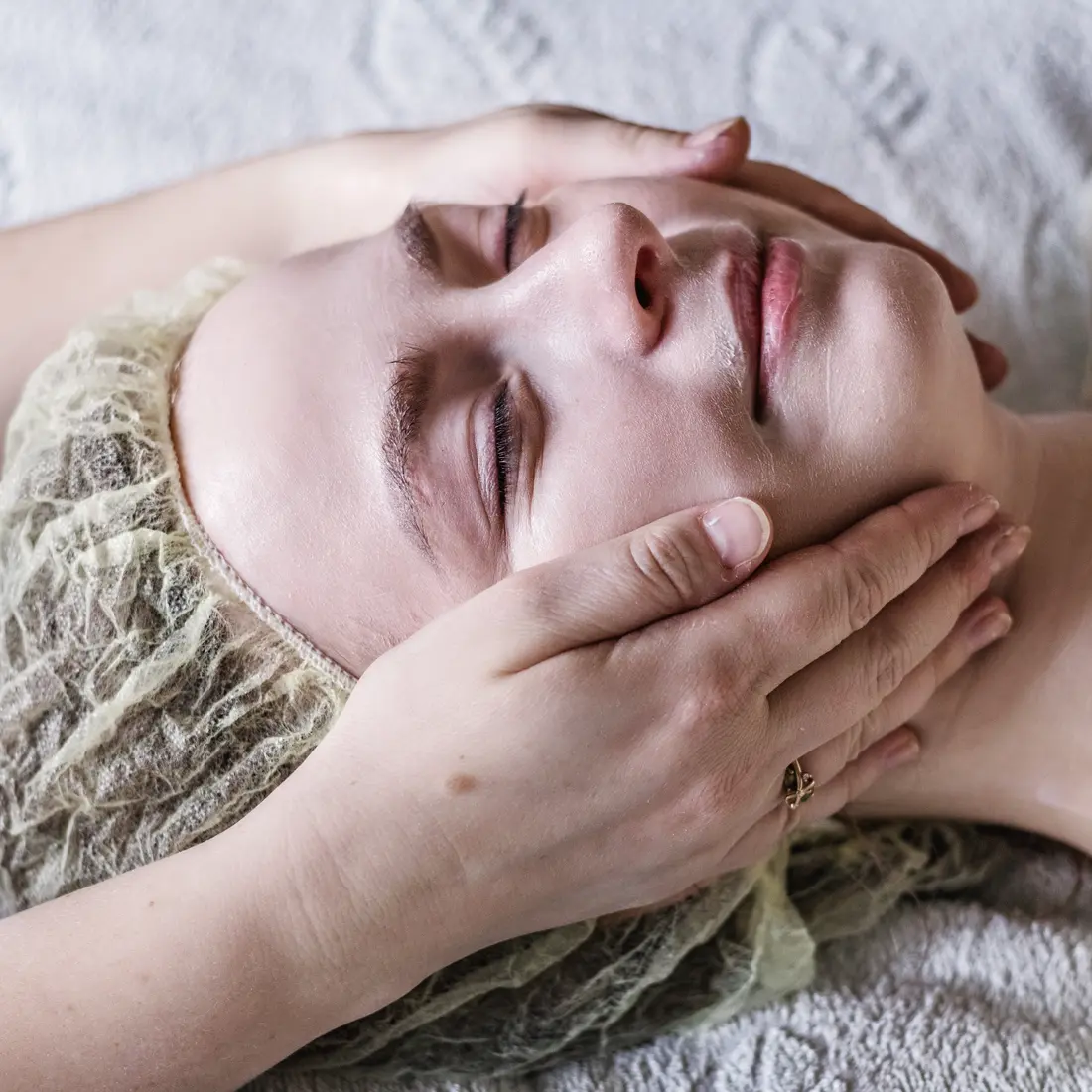
Melasma, the larger cloudy patches often linked to hormones and heat, behaves differently from the others. It sits deeper, flares with sun and warmth, and can worsen if treated too aggressively. This is the type where a professional assessment matters most, because the wrong approach can make it darker.
What actually helps
At home, the foundation is always the same two things. Daily sunscreen to stop new pigment forming, and a consistent brightening ingredient to fade what is there. Vitamin C, niacinamide, and gentle exfoliating acids all nudge tone toward evenness over weeks. None of them are dramatic, and all of them require patience, but together they do steady work.
Where at home care hits its limit is with pigment that is stubborn, widespread, or sitting deeper than a serum can reach. This is where professional treatments earn their keep. A carefully chosen peel can lift surface pigment faster than months of home products by resurfacing the top layers in a controlled way. Other in office options target pigment through light or heat. The right choice depends entirely on which kind of pigmentation you have and how deep it sits.
That last point is why I am cautious about pointing anyone toward a single fix. What clears sun spots beautifully can aggravate melasma. What suits fair skin may need adjusting for deeper skin tones to avoid trading one uneven patch for another. Pigment is the concern where matching the treatment to the person matters most, and getting it wrong has visible consequences.
The honest path forward
If your pigmentation is mild and recent, start at home. Sunscreen every morning, a brightening ingredient every day, and realistic patience measured in months rather than weeks. Many people improve a great deal on that alone.

If the pigment is stubborn, deep, or you are simply not sure which type you have, the smartest step is to have someone look at it in person before you spend more on products that may be aimed at the wrong target. It is worth taking your concerns to a professional clinic that can identify what you are dealing with and match a treatment to it rather than guessing. A correct diagnosis is honestly half the battle with pigmentation, and it is the half most people skip.
Even color takes time no matter which route you choose, so protect the skin from the sun throughout, keep your expectations grounded, and treat the specific kind of pigment you have rather than the general idea of a dark spot. That single shift in thinking is what finally makes the effort pay off.
Licensed esthetician in the Beverly Hills area. She has spent about a decade helping clients build calm, sustainable skin habits, and she writes here between appointments.