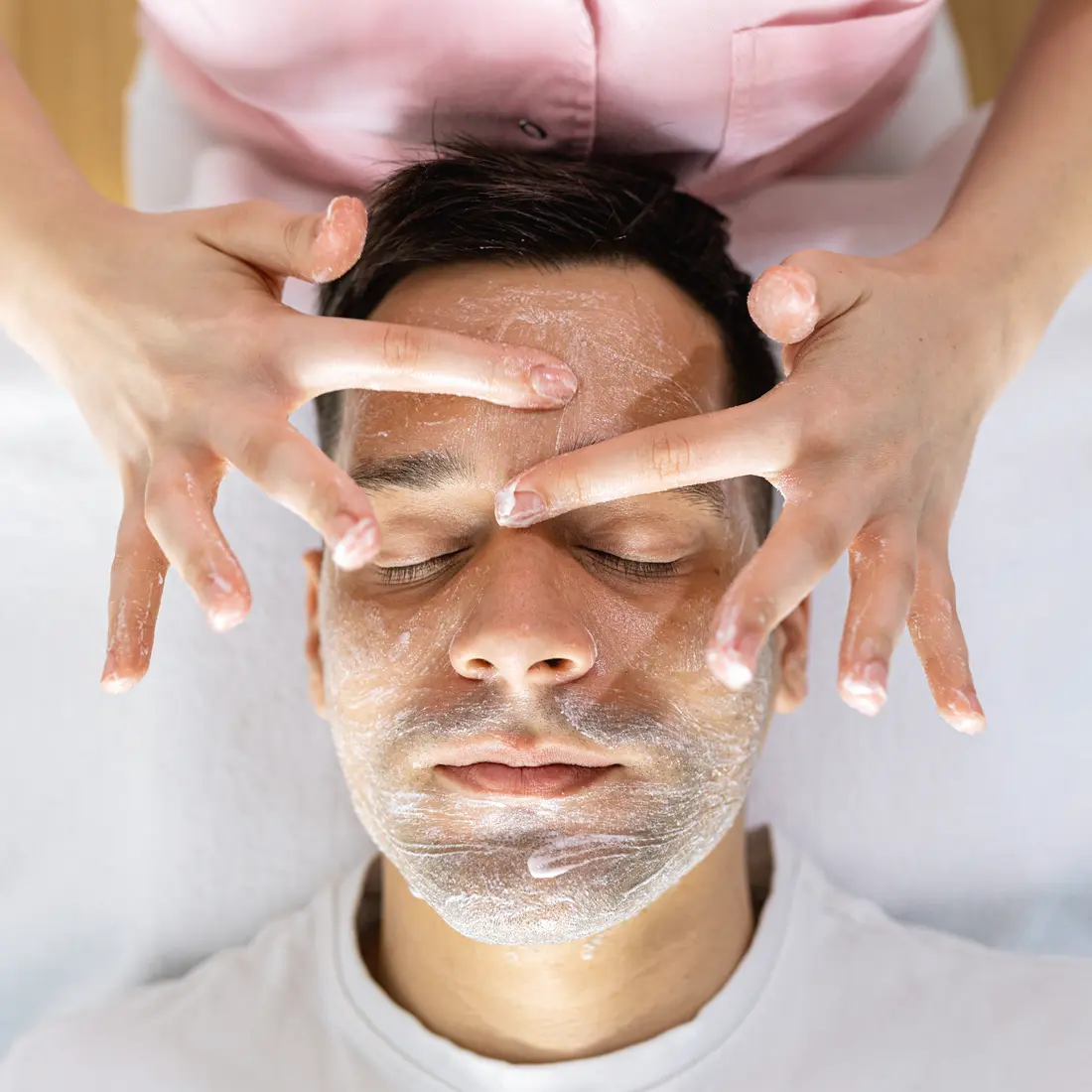
Most people spend plenty of time choosing which peel to get and almost no time thinking about the days after. That is backward. The treatment itself is over in minutes. The recovery is where the real work happens, and it is the part clients ask me about while they are already sitting in the chair, solution on their skin, a little too late to plan.
So here is the honest walk-through I give before a medium peel, laid out day by day. Your exact timeline will shift with the depth of your peel and how your skin behaves, but the shape of it is fairly predictable once you know what to watch for.
Day one, the tight and shiny stage
The first thing you notice is not peeling at all. It is tightness. Your skin feels like it has been stretched a size too small, and it often looks a little flushed and slightly darker, almost bronzed, as if you caught some sun. This is completely normal. The surface layers have been treated and are beginning to hold together before they release.
On this day you do very little. You keep the skin clean with a gentle cleanser, you apply whatever simple moisturizer your provider recommended, and you leave everything else in the cabinet. No acids, no retinoids, no scrubs, no vitamin C. Your skin is busy and does not need extra instructions.
Days two and three, the flaking begins
This is when people panic, and this is exactly when they should not. The skin around the mouth and nose usually starts to flake first, because those areas move the most when you talk and eat. The flaking can look patchy and uneven, one cheek ahead of the other, a strip peeling near the jaw while the forehead waits its turn. That unevenness is normal too.
The single most important rule of these days is simple. Do not pick. I know how tempting a loose flake is. I know your fingers will drift up to your face without permission. But pulling skin that is not ready to release is the fastest way to turn a smooth recovery into a raw spot that can mark or scar. Let it shed on its own schedule. Moisturize, and if a piece is truly hanging, trim it gently with clean fingers only if it lifts with no resistance.

If you take nothing else from this, take this. Do not pick, and do not exfoliate to speed things up. The new skin underneath is delicate and not ready for daylight until the old layer chooses to leave. Patience here protects your result.
Days four and five, the awkward middle
By now most of the visible peeling is winding down, though you may still feel small rough patches when you run a finger over your cheek. This is the stage where a little strategic planning helps. If you have somewhere to be, a light layer of a gentle, non-irritating moisturizer smooths the flakes down and makes them far less noticeable. Heavy makeup, on the other hand, tends to cling to any dryness and highlight it, so lighter is genuinely better here.
Your skin may also feel a touch sensitive, warm, or reactive to products it normally tolerates. That sensitivity fades, but while it lasts, keep your routine short and boring. Boring is the goal all week.
Sun protection is not optional now
The fresh skin arriving underneath is more vulnerable to light than the skin that left, which makes sunscreen the most important product in your recovery, full stop. Unprotected sun exposure in this window is how a peel meant to even your tone can instead trigger new dark patches, which is the opposite of why you booked it.
Wear a broad spectrum sunscreen every single day, reapply it if you are outdoors, and lean on a hat and shade for the first couple of weeks. This is not fussiness. It is the difference between keeping your result and undoing it.
When your skin settles
By the end of the first week, most people are through the shedding and looking at the payoff. Skin tends to look brighter, feel smoother, and reflect light more evenly, and that improvement usually keeps refining over the following couple of weeks as everything calms fully. You can slowly reintroduce your active ingredients once the sensitivity is gone, starting low and watching how your skin responds rather than piling everything back at once.
A few things are worth a call to your provider rather than waiting them out. Real pain rather than tightness, spreading redness, swelling, any sign of blistering, or a patch that looks like it is healing poorly all deserve a professional look. These are uncommon with well-chosen superficial and medium peels, but knowing the line between normal and not is part of recovering well.
The thing I want you to walk away understanding is that the peeling week is not a problem to fix. It is the treatment working. Tight skin, flaking, a couple of awkward days, then brighter skin on the other side. Plan for it, protect it, keep your hands down, and let your skin finish the job it started.
Licensed esthetician in the Beverly Hills area. She has spent about a decade helping clients build calm, sustainable skin habits, and she writes here between appointments.