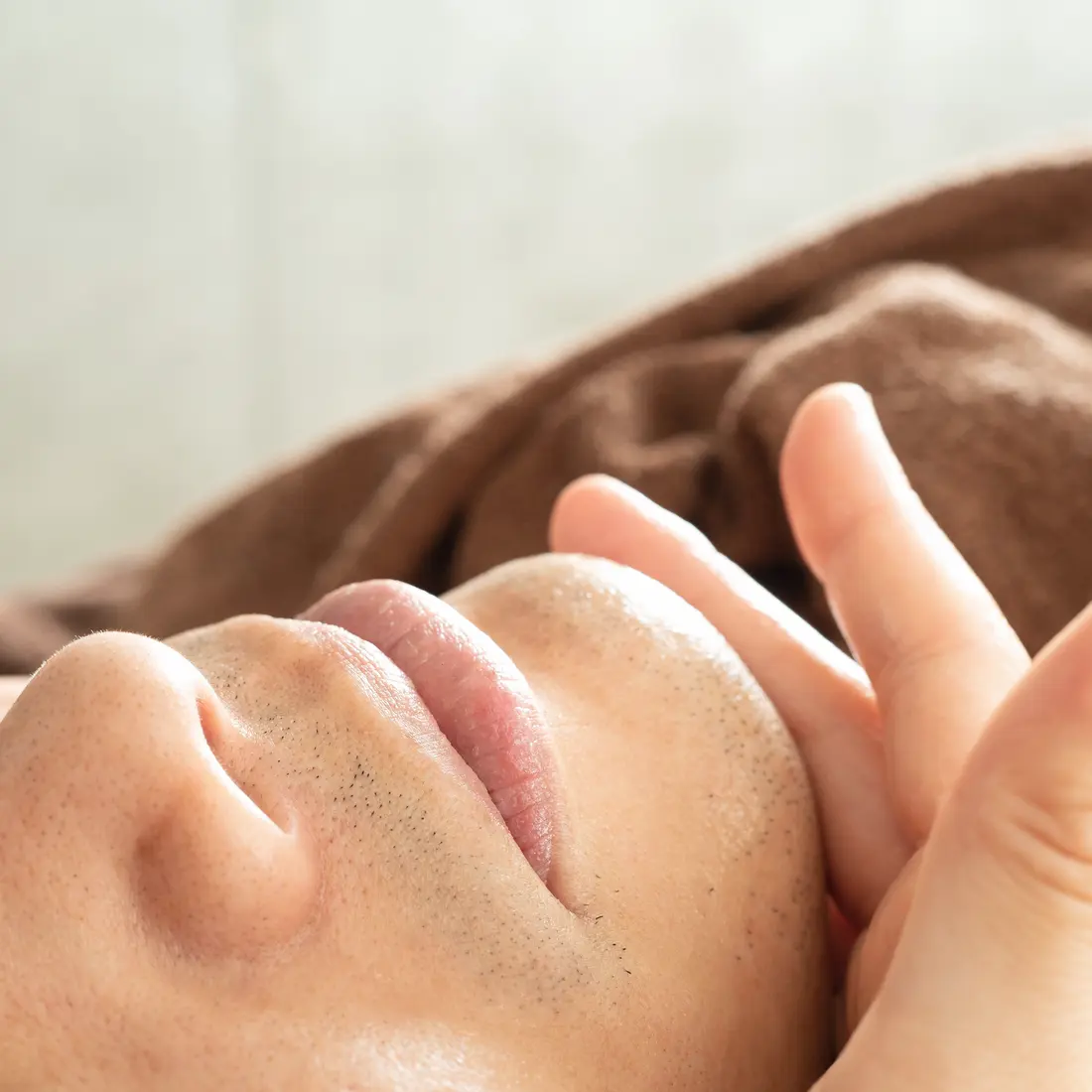
Few treatments have a scarier nickname and a gentler reality than the vampire facial. The name comes from the photos, which are genuinely alarming, a face streaked with blood mid-treatment. Strip away the drama and you are left with something far less cinematic. It is microneedling, done with your own blood used as the serum. That is the whole idea.
Clients come in curious and a little nervous, so let me lay it out plainly, because the concept is smart even if the marketing around it is loud.
Start with what microneedling does
Regular microneedling uses a device with very fine needles to create tiny, controlled channels in the skin. Your body reads those small injuries as a signal to repair, and repair means fresh collagen and elastin. Over a series of sessions, that new support firms the skin, softens fine lines, and gradually smooths the kind of texture and shallow scarring that products cannot reach. It is one of the more reliable tools we have for skin quality.
Those same tiny channels do something else useful. For a short window after the treatment, the skin absorbs whatever is applied to it far more readily than usual. That absorption window is exactly what the PRP step is built to exploit.
Where the PRP comes in
PRP stands for platelet rich plasma. At the start of the appointment, a provider draws a small amount of your blood, the same way any routine blood test is taken. That sample goes into a centrifuge, a machine that spins it fast enough to separate the blood into layers. One of those layers is plasma rich in platelets, the cells that carry the growth factors your body uses to heal.
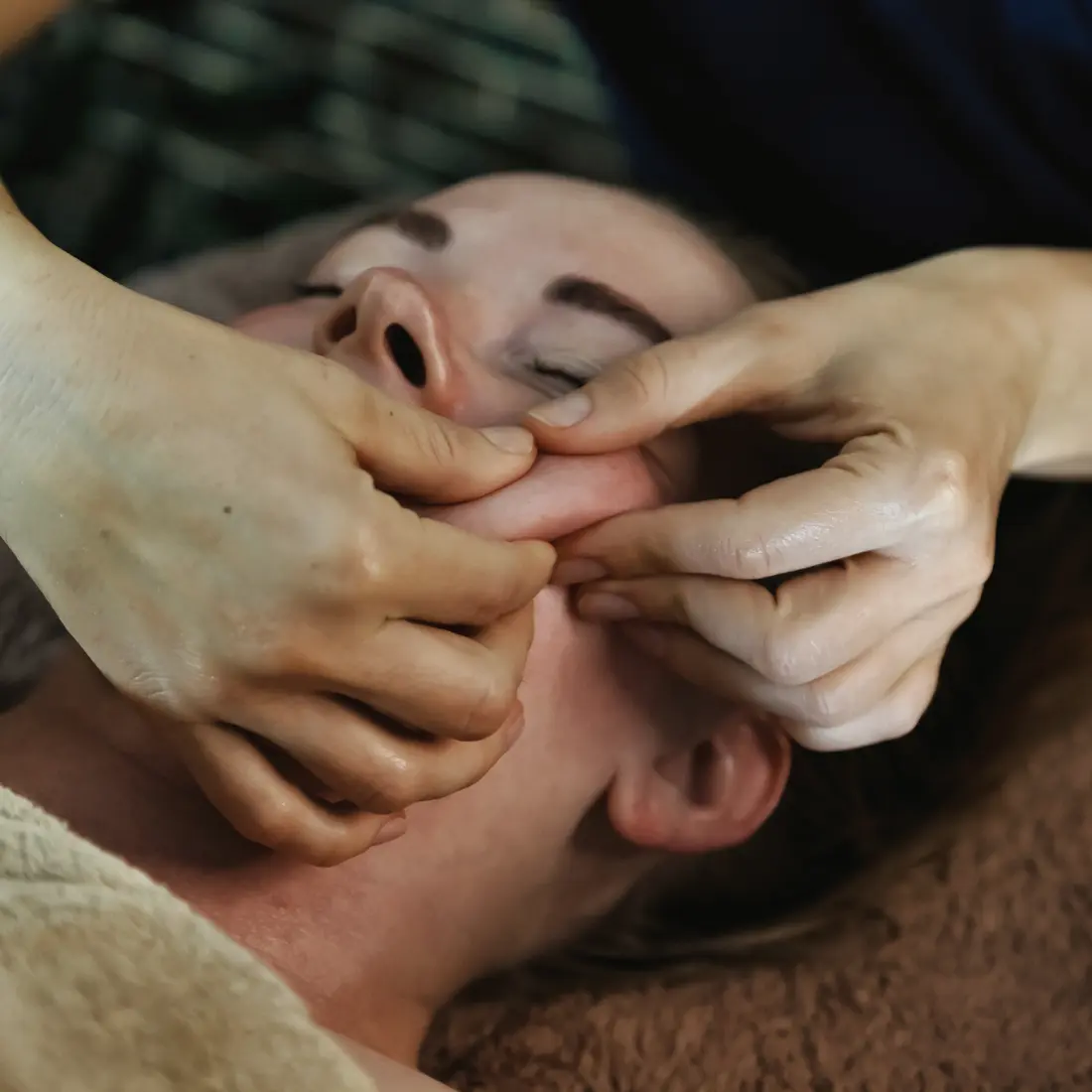
That plasma is then applied to the skin during and after microneedling, so it travels down through those fresh channels rather than just sitting on the surface. The theory, and it is a sound one, is that flooding a healing zone with your own concentrated repair signals gives the whole process a stronger push than needling alone. It is your own biology, redirected to where you want the work done.
The appeal of PRP is that there is nothing foreign involved. It is not a filler or a synthetic serum. It is a concentrated version of the healing material your body already makes, which is part of why it tends to be well tolerated.
What it feels like and the recovery
Numbing cream goes on first, so the needling itself is more pressure and vibration than pain. The blood draw is the only genuinely new sensation if you have needled before, and it is over quickly. Afterward your skin looks flushed, a bit like a light sunburn, and feels warm and tight. That redness usually calms over a day or two, sometimes with a little flaking as the surface renews.
As with plain microneedling, this is not a single-session miracle. Collagen builds slowly, so results arrive over weeks and improve across a short series rather than appearing the next morning. Anyone promising you a transformed face overnight is selling, not treating.
Who it suits, and who should skip it
PRP microneedling tends to appeal to people chasing overall skin quality, early signs of aging, dullness, and soft texture, especially those who like the idea of using their own biology rather than adding a product. It can be a thoughtful addition for the right candidate.
It is not for everyone, though. Certain blood conditions, some medications, active skin infections, and a few health circumstances make it a poor or unsafe choice, which is why a proper consultation and honest health history come first. It is also worth being clear-eyed about cost and evidence. The added PRP step makes it a pricier treatment, and while the logic is strong and many people are happy with their results, it is a boost to microneedling rather than a category of its own. For plenty of concerns, well-done microneedling without PRP delivers most of what someone is looking for.
How to think about it
If you are drawn to the vampire facial, set the horror-movie name aside and judge it for what it is. A solid, collagen-building treatment paired with your own healing factors, best matched to skin quality goals, and best decided in a room with a provider who assesses your skin and your health rather than your curiosity about a trend. Asked to explain it in one line, I would say this. It is microneedling with a personalized assist, and the drama is entirely in the photos, not the science.
Licensed esthetician in the Beverly Hills area. She has spent about a decade helping clients build calm, sustainable skin habits, and she writes here between appointments.