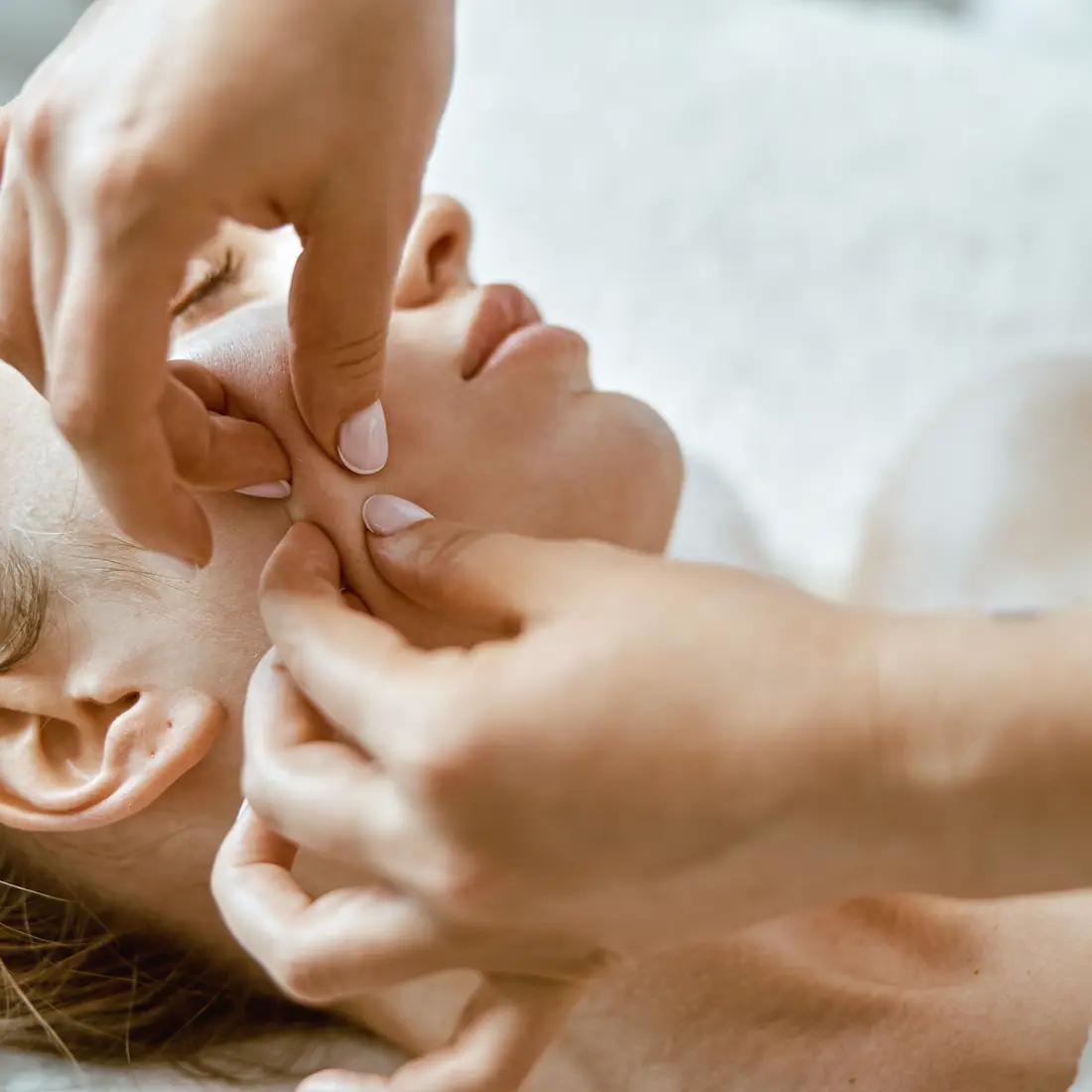
Dermaplaning is the treatment people are most surprised by once they understand it, because it sounds far more dramatic than it feels. The short version is that a trained provider uses a small, sterile blade to gently scrape away dead surface skin and the fine vellus hair, the soft peach fuzz, from your face. Said out loud that sounds intense. In the chair it is one of the most relaxing services on the menu.
Because there is so much noise around it, especially the hair myths, let me walk through what it does, what it does not do, and who it genuinely suits.
What you are actually removing
Two things come off during dermaplaning. The first is the buildup of dead cells that sit on the surface and make skin look dull, flat, and rough. The second is that layer of fine, soft facial hair most of us have and rarely notice until the light catches it.
Clearing both at once gives skin an immediate smoothness that is hard to get any other way. Makeup sits flatter and looks more even because it is no longer catching on fuzz and flakes. Skincare absorbs a little better with the dead layer gone. And the face simply reflects light more evenly, which reads as brightness. That instant, no-downtime glow is the whole appeal, and it is real.
The hair myth, cleared up
This is the fear that keeps people away, so let me settle it plainly. The soft vellus hair on your face does not grow back thicker or darker after dermaplaning. That belief comes from a misunderstanding about how hair works.
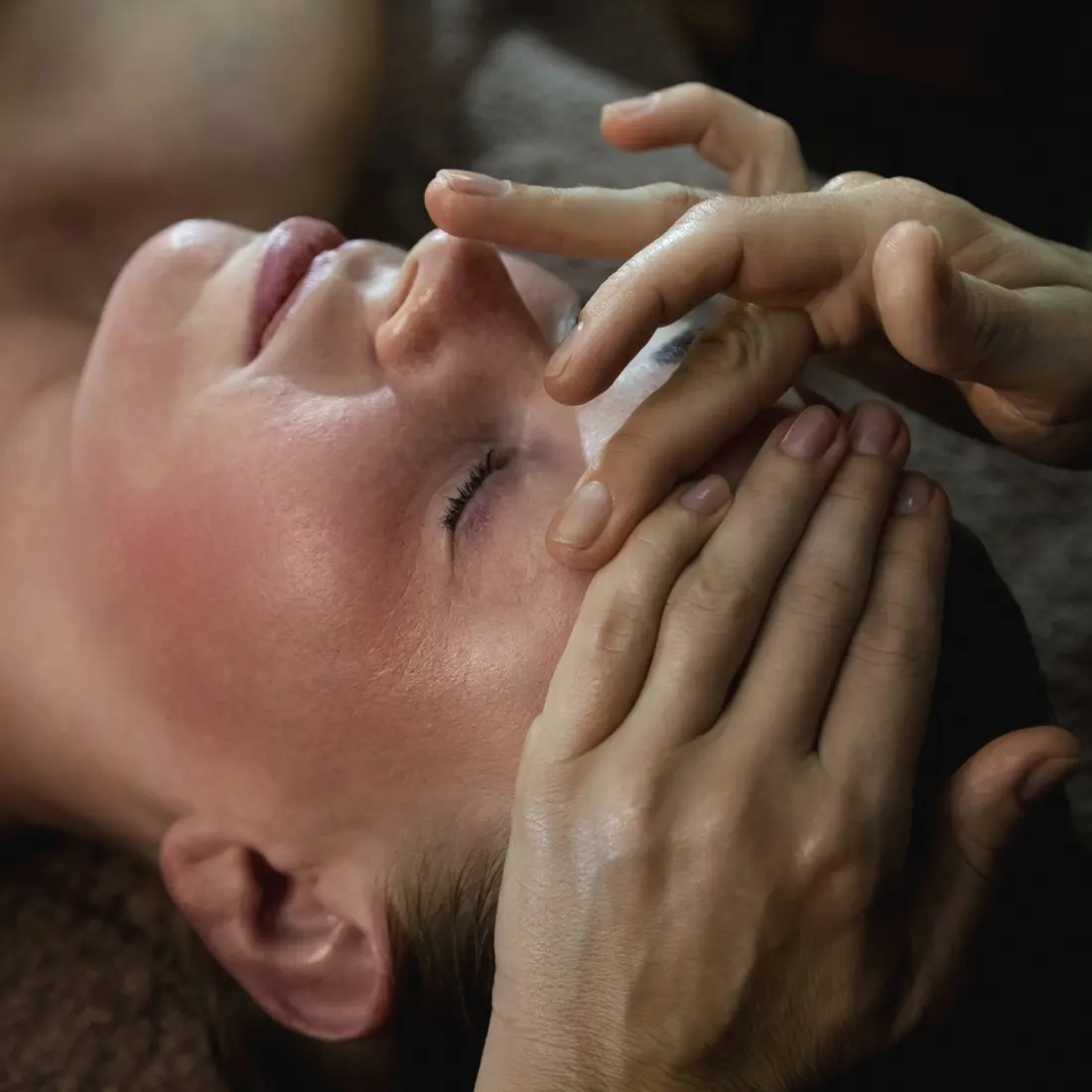
Vellus hair grows back the same fine, soft way it was before, because its color and thickness are set at the root, not by the blade. When shaved hair feels coarse as it returns, that is the blunt cut edge of a hair you already had, not a new, tougher hair. Your peach fuzz will come back exactly as peachy as it left. Nothing about the treatment changes its nature.
No, the fuzz does not grow back thicker or darker. Hair color and coarseness are decided at the root, and a surface blade does not touch that. It returns as soft as it was before, on its normal schedule.
Who it suits well
Dermaplaning is a lovely choice for anyone chasing smoothness and glow, especially before an event where makeup needs to look flawless. It suits dry, dull, or flaky skin beautifully, because sweeping away that tired surface layer is exactly what those complexions need. People who dislike the fine hair on their face also tend to love the clean, soft finish it leaves.
It pairs nicely with other treatments too. Some providers dermaplane before a gentle peel or a mask so the products reach fresher skin, which can make a facial feel more effective. Done that way, it is less a standalone service and more a thoughtful first step.
Who should skip it, or wait
It is not right for everyone. Active acne is the main reason to hold off, because dragging a blade across inflamed breakouts can spread bacteria and irritate skin that is already upset. Very sensitive or reactive skin, active rosacea flares, and certain skin conditions are also reasons to pause and ask a professional first. And because the treatment removes your protective surface layer, sun protection afterward matters more than usual, since fresh skin is a little more exposed for a few days.
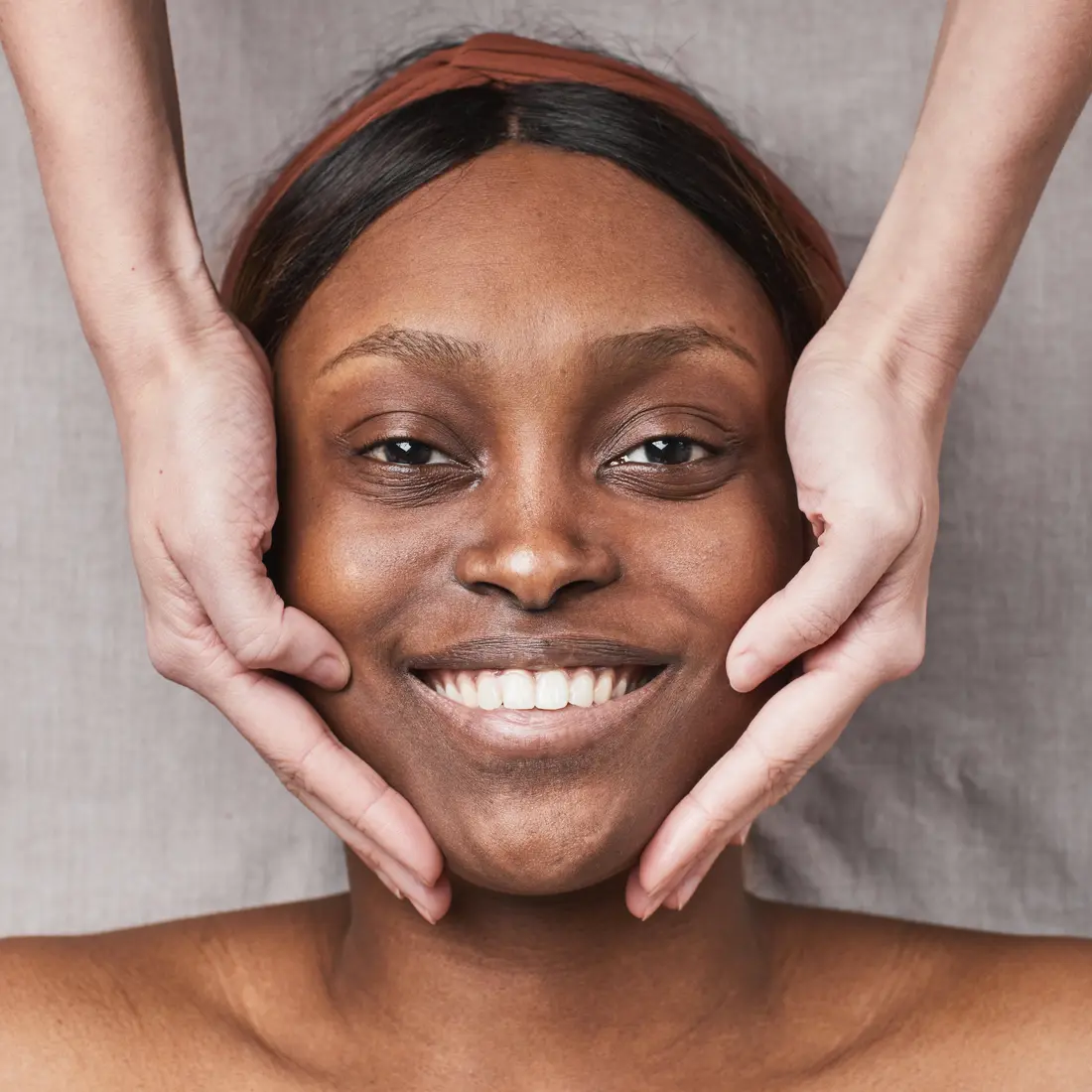
This is also a treatment I gently steer people away from doing at home with a drugstore tool. The blades sold for home use, and the lack of training behind them, are how nicks, uneven pressure, and irritation happen. In skilled hands with a proper blade, dermaplaning is smooth and controlled. In a bathroom mirror at the end of a long day, it is a risk that is not worth the small saving.
How to decide
If your skin is on the dry, dull, or flaky side and you want an easy brightening reset with no downtime, dermaplaning is one of the friendliest options there is. If you have active breakouts or reactive skin, it is worth a conversation before you book. Either way, the best read on whether it fits you comes from someone assessing your skin in person, and if you want to pair that glow with treatments that correct more deeply, a Los Angeles skin clinic can tell you honestly where a simple polish ends and a stronger treatment should begin. What I love about dermaplaning is how modest it is. No drama, no recovery, just softer, brighter skin that behaves better the moment you walk out.
Licensed esthetician in the Beverly Hills area. She has spent about a decade helping clients build calm, sustainable skin habits, and she writes here between appointments.